The offshore energy sector relies heavily on subsea intervention to construct, inspect, and maintain complex subsea oil, gas, and renewable energy infrastructure. Operating in deep saltwater environments presents formidable technical challenges, including extreme hydrostatic pressures, freezing temperatures, unpredictable sea states, and complex subsea hydraulics. Ensuring the integrity of underwater pipelines, wellheads, and wind turbine foundations requires highly specialized offshore support vessels and experienced dive teams.
Offshore subsea contractors bridge the gap between surface vessels and underwater energy assets. By deploying specialized breathing gas mixtures, deepwater life-support systems, and heavy subsea tooling, offshore technicians perform high-risk construction and inspection work hundreds of feet below the surface. Understanding the mechanics of offshore subsea operations highlights the critical role these specialists play in maintaining global energy security.
Deepwater Life Support and Saturation Operations
When subsea energy projects require extended labor at depths exceeding 150 feet, standard surface-supplied air diving becomes inefficient due to lengthy decompression requirements. Saturation dive systems solve this challenge by allowing technicians to live and work at ambient pressure for weeks at a time.
Saturation Living Systems and Heliox Breathing Gas
In saturation operations, dive crews reside inside pressurized surface chambers on board a specialized support vessel. The chamber atmosphere uses heliox—a mixture of helium and oxygen—to eliminate nitrogen narcosis and oxygen toxicity at extreme pressures. Technicians travel to the seafloor inside a closed hyperbaric diving bell, maintaining continuous pressure throughout their multi-week shift rotation.
Hyperbaric Evacuation and Emergency Life Support
Offshore saturation operations mandate fully redundant safety systems. Saturation support vessels are equipped with Hyperbaric Rescue Vessels (HRVs) or self-propelled hyperbaric lifeboats capable of evacuating saturated workers under pressure in the event of a catastrophic shipboard emergency.
Deploying comprehensive Commercial Diving Services guarantees that deepwater saturation projects, pipeline tie-ins, and offshore energy maintenance comply with stringent international offshore safety standards.
Subsea Pipeline and Offshore Energy Infrastructure Maintenance
Offshore energy networks rely on thousands of miles of submerged pipelines, riser systems, and structural jackets that require continuous monitoring and mechanical repair.
Pipeline Tie-ins, Flange Bolting, and Spool Pieces
Connecting seabed pipelines to offshore platforms requires precise subsea mechanical installation. Technicians utilize hydraulic torque wrenches, flange alignment tools, and subsea lifting frames to position and bolt heavy steel spool pieces together under immense water pressure.
Offshore Wind Turbine Foundation Inspections
The rapid expansion of offshore wind energy has created significant demand for subsea foundation maintenance. Dive teams conduct detailed structural evaluations of monopile foundations, scour protection mats, and submerged high-voltage array cables to ensure long-term structural stability against heavy wave action.
Project managers who partner with a certified Commercial Diving Company gain access to dynamic positioning (DP) vessels, specialized subsea tooling, and experienced offshore personnel capable of working in challenging open-ocean environments.
Integrating Remotely Operated Vehicles (ROVs) with Subsea Divers
Modern offshore intervention relies on a hybrid operational strategy that combines human dexterity with robotic efficiency to optimize safety and productivity.
Work-Class ROVs for Heavy Subsea Manipulations
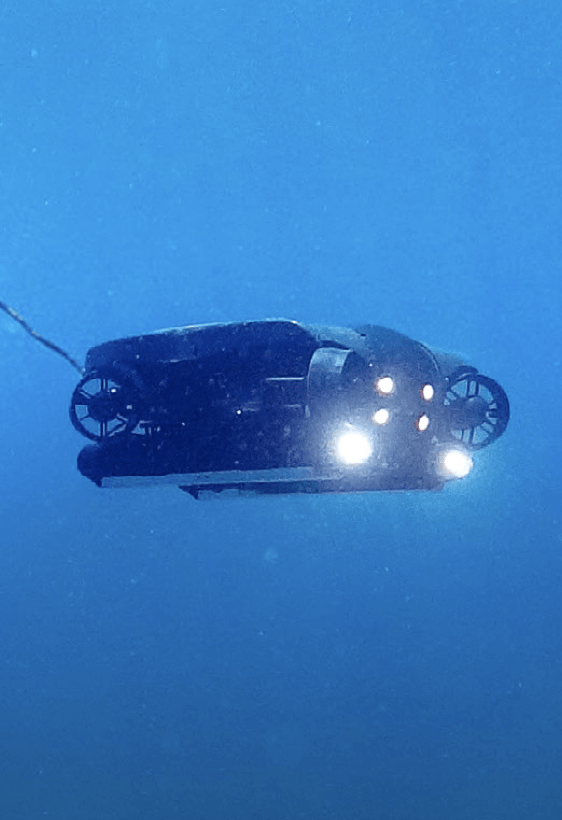
Remotely Operated Vehicles (ROVs) equipped with heavy hydraulic manipulators perform deepwater survey work, heavy valve turning, and cable routing at depths far beyond human diving limits, reducing human risk during deepwater energy projects.
Diver-ROV Collaborative Workflows
In shallow to medium depths, ROVs work directly alongside human technicians. The ROV acts as a mobile lighting station, heavy tool carrier, and safety monitor, giving surface engineers real-time high-definition video of the technician's progress on the seafloor.
Conclusion
Offshore energy infrastructure demands robust subsea intervention capabilities to ensure safe, uninterrupted energy production and environmental protection. Through saturation dive systems, subsea pipeline repairs, offshore wind turbine inspections, and integrated ROV workflows, offshore specialists maintain the critical links of global energy supply chains. Selecting qualified offshore subsea contractors guarantees that deepwater assets are constructed and maintained with maximum precision, strict regulatory compliance, and an unyielding commitment to personnel safety.