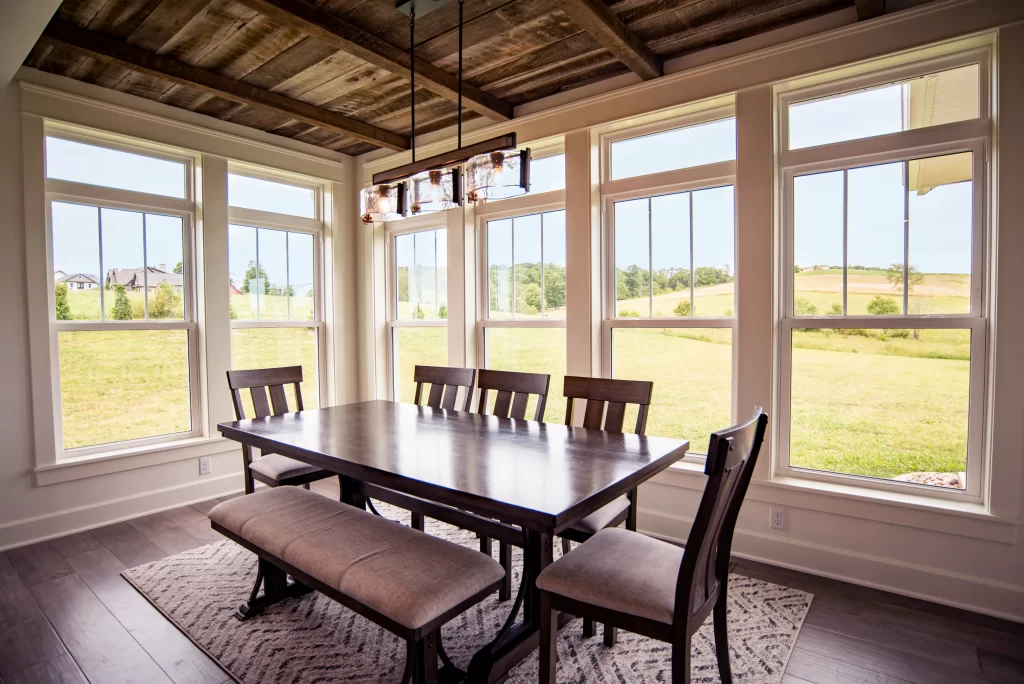
When it comes to selecting the right windows for your home, understanding the differences between popular styles like double hung windows and casement windows is essential. Both offer unique advantages, from ease of use and ventilation to aesthetic appeal and energy efficiency. This guide will help you weigh the features of each window type to make an informed decision for your home improvement project.
Understanding Double Hung Windows and Casement Windows
Windows are not just functional elements but also key contributors to your home's appearance and comfort. Two of the most popular window types are double hung windows and casement windows. Let’s dive deeper into what makes each style special.
What Are Double Hung Windows?
Double hung windows consist of two vertically sliding sashes, allowing both the top and bottom panels to open. This traditional window design offers flexibility in ventilation and ease of cleaning since many models tilt inward.
Benefits of Double Hung Windows
- Versatile ventilation: Open either the top, bottom, or both sashes to control airflow.
- Easy maintenance: Tilt-in sashes make cleaning simple from inside the house.
- Classic look: Complements many architectural styles, from historic to modern homes.
- Space-saving: Sashes slide vertically, so no exterior space is needed for opening.
What Are Casement Windows?
Casement windows are hinged on the side and open outward with a crank or lever. They provide an unobstructed view and excellent ventilation by catching breezes more effectively than many other window types.
Benefits of Casement Windows
- Superior ventilation: Open fully to direct breezes into your home.
- Energy efficient: Tight seals when closed reduce air leakage.
- Unobstructed views: No muntins or rails interrupt the glass.
- Easy operation: Smooth crank mechanisms make opening and closing effortless.
Comparing Energy Efficiency and Ventilation
When considering energy efficiency, casement windows often have an edge due to their compression seals, which create a tight barrier against drafts. Double hung windows, while offering good ventilation control, may not seal as tightly but are still energy efficient when properly maintained.
In terms of ventilation, casement windows allow maximum airflow when fully open, while double hung windows give the option of gentle airflow from either the top or bottom sash, which can help maintain indoor air circulation without a full opening.
Design and Aesthetic Considerations
Choosing between double hung and casement windows also comes down to your home’s style. Double hung windows are ideal for traditional or classic homes, while casement windows suit modern or contemporary aesthetics with their clean lines and larger uninterrupted glass areas.
Conclusion
Both double hung windows and casement windows offer valuable benefits, depending on your home’s needs and style preferences. Double hung windows provide classic charm and practical ventilation, while casement windows offer superior airflow and energy efficiency. Evaluating your priorities in ventilation, maintenance, and design will guide you to the best window choice for your space.
FAQs
Q1: Which window is easier to clean, double hung or casement?
Double hung windows often tilt inward, making them easier to clean from inside your home compared to casement windows, which open outward.
Q2: Are casement windows more energy efficient than double hung windows?
Generally, yes. Casement windows seal tightly against the frame, reducing air leakage better than most double hung windows.
Q3: Can double hung windows be opened from the top?
Yes, the top sash of double hung windows can be lowered to allow airflow while maintaining some privacy and security.
Q4: Do casement windows require more maintenance?
Casement windows have crank mechanisms that may need occasional maintenance, but overall both window types are durable and low maintenance when properly cared for.
Q5: Which window style is better for ventilation?
Casement windows open fully outward and catch breezes effectively, making them excellent for ventilation.